
FESINSIDE • TRAVEL GUIDE
Is Fes Safe for Tourists? A Local Guide to Visiting Fes Safely in 2026
Practical, balanced advice for the Medina, solo travel, women travelers, scams, taxis and evenings in Fes.
Real Local Advice
Honest and practical tips
Medina Safety
What to expect
Scams & Tips
How to avoid common situations
Taxis & Transport
Safe and reliable options
Nighttime in Fes
Enjoy the city with confidence
Is Fes Safe? The Short Answer
Yes, Fes can be a rewarding city for tourists to explore, but “safe” does not mean risk-free. For most visitors, the more realistic concerns are the same ones that appear in many busy historic destinations: pickpocketing, persistent sellers, unofficial guides, tourist scams, confusing streets and feeling uncomfortable in a quiet alley after dark. Serious incidents can happen, as they can anywhere, so sensible precautions still matter.
The part of Fes that surprises first-time visitors is often not danger but intensity. Fes el-Bali is dense, noisy, fascinating and deeply alive. A lane that looks impossibly narrow may lead to a beautiful madrasa, a family bakery or a busy artisan quarter. Another may simply end at a residential doorway. The Medina rewards curiosity, but it also helps to know how to read the city.
Our local view: do not arrive frightened, and do not arrive careless. Keep your belongings secure, be confident when declining unwanted help, plan your route back to your riad in the evening, and ask trusted local professionals when you are unsure.
For current official guidance before you travel, check the UK Foreign, Commonwealth & Development Office (FCDO) Morocco travel advice and your own government’s travel advisory.

Table of Contents
- Is Fes Safe? The Short Answer
- Why Fes Can Feel More Intense Than Other Cities
- Is Fes Medina Safe?
- Getting Lost Is Not the Same as Being Unsafe
- Is Fes Safe at Night?
- Is Fes Safe for Solo Travelers?
- Is Fes Safe for Solo Female Travelers?
- Common Tourist Scams and Annoyances in Fes
- How to Recognize an Official Guide in Fes
- What About the Tanneries, Souks and Artisan Quarters?
- Food and Water: Sensible Precautions
- Phones, Money and Valuables
- 10 Practical Safety Tips for Visiting Fes
- What to Do If You Feel Uncomfortable or Get Lost
- So, Should Safety Concerns Stop You From Visiting Fes?
- FAQ about Fes
Why Fes Can Feel More Intense Than Other Cities
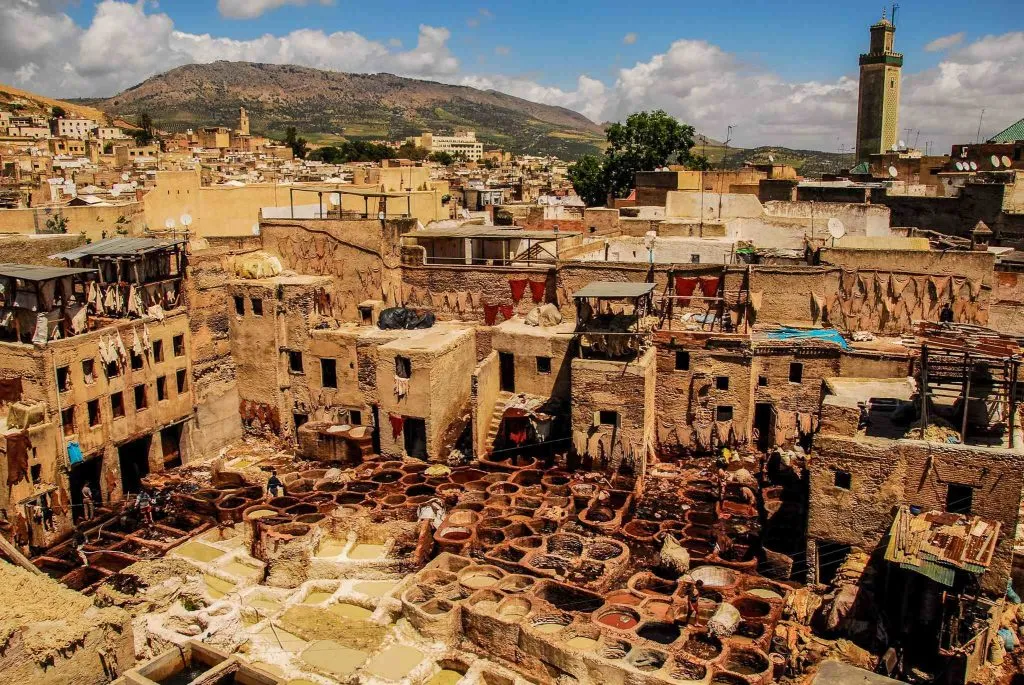
Fes is not a city designed around modern tourism. That is part of its appeal. Inside Fes el-Bali, daily life still moves through a medieval street plan: residents shop for vegetables, children walk home from school, donkeys carry goods, artisans work behind open doors and visitors share the same narrow passages.
The Moroccan National Tourist Office describes the Medina of Fes as a major historic attraction and highlights Fes el-Bali, Bab Boujloud, the tanneries and the city’s craft traditions. Once you enter the old city, however, conventional navigation becomes less intuitive. GPS can help, but it does not always understand covered passages, stairs, tiny lanes or temporary closures.
For destination information from Morocco’s official tourism authority, see the Moroccan National Tourist Office guide to Fez.

Explore Fes with a Local Guide
Discover the Medina with context and a licensed local guide.
Is Fes Medina Safe?
Fes Medina is the main reason many people come to the city, and thousands of residents live and work there every day. Visitors should nevertheless treat it as a real urban environment rather than an open-air museum. Crowded souks require awareness, while quiet residential lanes deserve more caution, especially late in the evening.
Official UK travel advice says petty crime is common in Moroccan tourist areas, particularly medina quarters, and mentions pickpocketing and bag-snatching among the risks. The practical response is straightforward: keep your phone and wallet secure, avoid displaying large amounts of cash, and carry a closed bag that stays close to your body.
Getting Lost Is Not the Same as Being Unsafe
One of the most common experiences in Fes is taking a wrong turn. The Medina’s layout developed over centuries, so getting temporarily disoriented is normal. The mistake is allowing panic to turn a small navigation problem into a stressful one.
Before leaving your riad, save its location and phone number and take a screenshot of the route.
Remember a major nearby landmark or gate, such as Bab Boujloud, rather than relying only on a tiny alley name.
If you need directions, ask your riad, a shopkeeper at an established business, a uniformed official, or another trusted local professional.
If someone insists that a road is closed or that you must follow them, do not feel obliged to accept the help.
Is Fes Safe at Night?
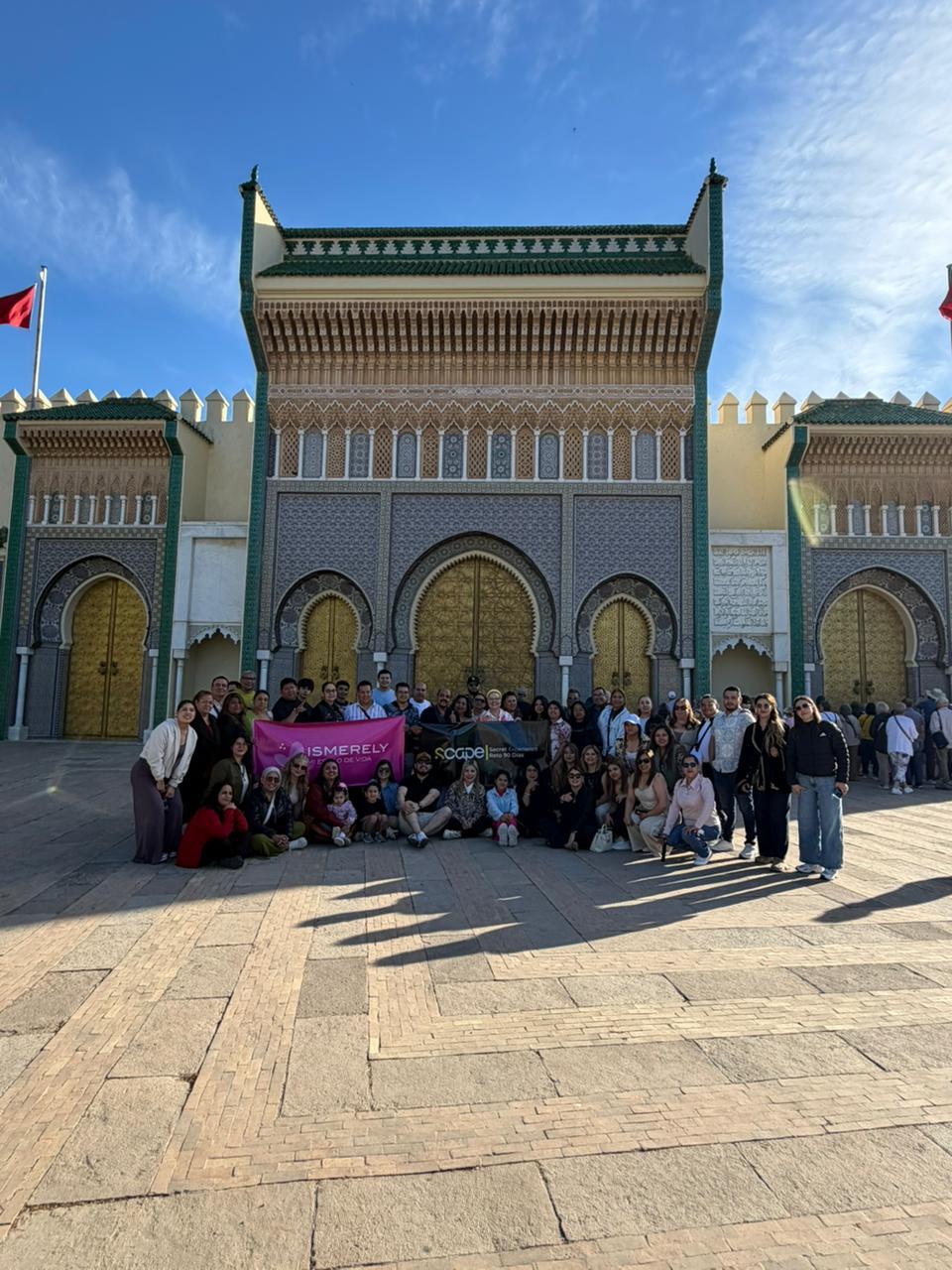
Evenings in Fes can be beautiful. Restaurants fill, families walk through busy areas and the Medina takes on a completely different atmosphere. But nighttime changes the calculation: streets become quieter, some shops close and a route that felt obvious during the day can become harder to recognize.
The U.S. State Department advises travelers in Morocco to avoid walking alone after dark in unfamiliar or poorly lit areas. In Fes, that does not mean you need to stay inside after sunset. It means choosing busy routes, arranging a taxi when appropriate and knowing how you will get from the drop-off point to your accommodation.
- Ask your riad which entrance or gate is easiest to use at night.
- Avoid experimenting with isolated shortcuts after dark.
- If your accommodation is deep inside the Medina, ask whether staff can meet you at a known gate or landmark when you first arrive.
- Use a legitimate taxi or transport arranged by a trusted accommodation or operator when the walking route is unclear.
Is Fes Safe for Solo Travelers?
Solo travel in Fes can be deeply enjoyable because it gives you time to stop, observe and talk to people. It also means you make every navigation and safety decision yourself. A little preparation therefore makes a noticeable difference.
During the day, start with the busier parts of the Medina and learn the rhythm of the city before wandering farther. Keep your accommodation informed if you are heading out late, avoid sharing unnecessary personal details with strangers, and trust your instincts if an interaction becomes too persistent.
A first guided walk can also be useful for orientation. Once you understand the main gates, principal routes, souks and landmarks, independent exploration usually feels much easier.
If you want that introduction with someone who knows the Medina in detail, see FesInside’s private guided tour in Fes with an official local guide.
Is Fes Safe for Solo Female Travelers?
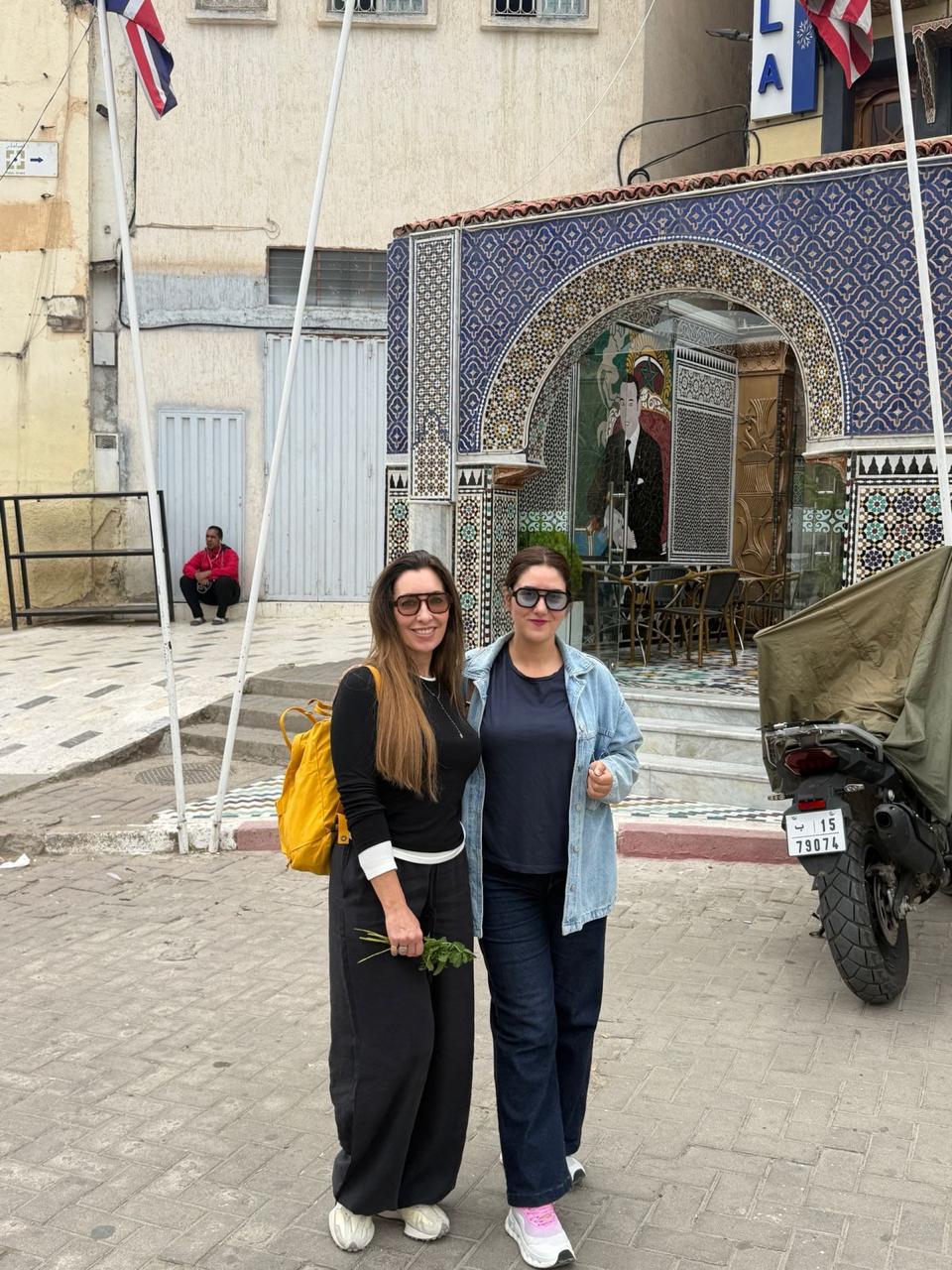
Women travel independently in Fes, but the experience can differ from that of male travelers. Some women may receive comments, staring or unwanted attention. That can be uncomfortable even when it does not develop into a physical threat, and it should not be dismissed simply because local people are accustomed to a different social environment.
The FCDO’s Morocco guidance directs women travelers to specific safety advice and notes the importance of being alert in tourist areas. A practical approach is to dress in a way that feels comfortable while respecting the local setting, walk purposefully, avoid prolonged engagement with persistent strangers and choose well-used routes when alone.
- You do not owe anyone a conversation, explanation or purchase.
- A firm, calm ‘no, thank you’ is often more effective than entering a long discussion.
- Keep the address and phone number of your riad accessible even if your phone loses data.
- For late returns, ask your accommodation about the best gate, taxi drop-off point or escort arrangement.
- If a situation feels wrong, move toward a busy shop, café, hotel, riad or family area rather than continuing into a quiet lane.
Common Tourist Scams and Annoyances in Fes
Not every uncomfortable interaction is a scam, and most people you meet in Fes are simply going about their day. Still, tourist areas attract people who know that a confused visitor is easier to pressure. Recognizing the pattern is usually enough to avoid trouble.
1. “That Street Is Closed”
A stranger may tell you that the route ahead is closed and offer to show you another way. Sometimes a street really is blocked; the problem is when the warning becomes a way to take control of your route and demand money afterward. Verify the information with a shopkeeper, your riad or another reliable person before following someone.
2. Unrequested Guiding
Someone may begin walking beside you, explaining buildings or leading you toward a tannery or shop, then expect payment. If you did not request a guide, make that clear immediately. Official UK advice specifically warns about people posing as tourist guides in Moroccan medinas.
3. Shopping Pressure
Fes is famous for leather, ceramics, zellige, textiles, brass and carpets. Shopping can be one of the pleasures of the city, but you should never feel forced to buy because someone served tea, gave a demonstration or spent time explaining a product. Ask the price, compare quality and leave if the atmosphere becomes uncomfortable.
4. Taxi Confusion
Before getting into a taxi, make sure you understand how the fare will be handled. For longer or pre-arranged journeys, confirm the price or booking conditions in advance. Your riad or guide can help if you are unsure about a route or pickup point.
How to Recognize an Official Guide in Fes
Morocco regulates the profession of tourist guide. The Ministry of Tourism explains that licensed guides fall into regulated categories and publishes a searchable list of approved tourism guides. This matters in Fes because a confident stranger who knows the Medina is not automatically an official guide.
You can learn about the profession and consult the official registry on the Moroccan Ministry of Tourism’s guide directory.
If you hire a guide independently, ask to see professional identification. An official guide should be comfortable identifying themselves and explaining the service before the tour begins.
What About the Tanneries, Souks and Artisan Quarters?
These are among the most memorable parts of Fes and there is no reason to avoid them simply because they are busy. The key is to separate normal commercial energy from pressure. At the tanneries, for example, people may offer directions to viewpoints or shops. Know whether the visit involves a shop, ask questions before accepting help and do not assume that entering a viewpoint creates an obligation to buy.
The same applies in artisan districts. A genuine workshop visit can be fascinating when the craft is the focus. If you want help finding reputable artisans or understanding prices and quality, a local guide can make the experience more transparent.
FesInside also offers a street food and cultural walking tour through Fes Medina, which is another way to experience busy local markets with context rather than simply passing through them.

Food and Water: Sensible Precautions
Food is part of the pleasure of Fes, from fresh bread and harira to grilled meats, pastries and mint tea. Travelers vary in how their stomachs respond to unfamiliar food, so use the same common-sense checks you would use elsewhere: choose busy places with visible turnover, be cautious with food that appears to have been sitting out for a long time, and pay attention to your own dietary needs.
If you have serious allergies, carry the relevant information in French or Arabic and do not rely on assumptions about ingredients. Travel insurance that covers your planned activities and medical needs is also sensible.
Phones, Money and Valuables
- Keep your phone secure rather than loosely in an open pocket, particularly in crowded souks.
- Carry only the cash you expect to need that day and keep backup cards or money separately.
- Use ATMs in sensible, well-trafficked locations and stay aware of people standing unusually close.
- Do not leave a passport, camera or wallet unattended at a café or restaurant.
- Keep digital copies of important travel documents stored securely online.
10 Practical Safety Tips for Visiting Fes
1. Learn your first route in daylight. Your riad-to-main-gate route is much easier to recognize later once you have walked it calmly during the day.
2. Keep your bag closed and close to you. Crowded souks are exciting, but they are not the place for an open backpack pocket.
3. Save offline information. Screenshot your accommodation details, important contacts and a map area before leaving Wi-Fi.
4. Be selective about directions. Ask established businesses, your accommodation or an official guide rather than following the first person who approaches you.
5. Do not be afraid to say no. A polite but clear refusal is normal. You do not need to keep explaining.
6. Plan evenings before going out. Know your return gate, taxi point and the final walking route to your riad.
7. Use official guides. Check professional identification and agree on the service before starting.
8. Separate browsing from buying. Enjoy demonstrations and conversations, but make purchases because you want the item, not because you feel obligated.
9. Stay aware without becoming suspicious of everyone. Most everyday interactions are ordinary. Awareness is more useful than fear.
10. Check official travel advice before departure. Conditions and government recommendations can change, so use current sources rather than an old blog post alone.
What to Do If You Feel Uncomfortable or Get Lost
Move toward a busy, public place: a café, established shop, hotel, riad, restaurant or main street. Call your accommodation and send your location if possible. If the issue is simply navigation, avoid letting a crowd of helpers form around you; choose one reliable source and reset your route calmly.
If you believe you are in immediate danger or have been the victim of a crime, contact local authorities and your accommodation or tour operator. Travelers should also know the emergency contacts recommended by their own embassy or consulate and verify local emergency numbers before travel, as services and dialing procedures can change.
The FCDO maintains a current page on getting help in Morocco, including emergency contact information.


So, Should Safety Concerns Stop You From Visiting Fes?
Fes is a city to approach with awareness, not fear. Its Medina can feel chaotic at first because it is not arranged for visitors: it is a living city layered with homes, mosques, markets, workshops, schools and centuries of history. That complexity is exactly what makes Fes extraordinary.
Prepare for the realities of a busy historic city. Protect your belongings. Be careful in quiet areas after dark. Decline unwanted help when necessary. Use official guides if you want local assistance. Then leave enough space in your plans to enjoy the part that no safety checklist can describe: turning a corner and finding a carved doorway, hearing metalworkers in a hidden square, sharing tea with an artisan or watching the Medina glow from a rooftop.
EXPLORE FES WITH LOCAL CONFIDENCE
Experience the Medina with Local Context
If this is your first time in Fes, a private local introduction can help you understand the Medina’s main routes, history, artisan quarters and everyday rhythm without rushing.
Frequently Asked Questions About Safety in Fes
Is Fes safe for tourists?
Fes is visited by international travelers year-round. As in other major tourist cities, visitors should take normal precautions against petty theft, scams and unwanted approaches, especially in crowded tourist areas and quiet places after dark.
Is Fes Medina safe to walk around alone?
Many travelers explore the Medina independently during the day. Because the street network is complicated, first-time visitors may feel more comfortable beginning on busy routes and learning major landmarks before wandering into quieter residential lanes.
Is Fes safe at night?
Busy restaurant areas and main routes can remain active after dark, but unfamiliar, isolated and poorly lit streets deserve more caution. Plan your return route and use a taxi or trusted local assistance when appropriate.
Is Fes safe for solo female travelers?
Women do travel solo in Fes, but some may experience staring, comments or unwanted attention. Purposeful walking, clear boundaries, sensible clothing for the setting, well-used routes and a planned evening return can make the experience more comfortable.
Are there scams in Fes?
Tourist scams and pressure tactics can occur. Common situations include unsolicited guiding, claims that a route is closed, pressure to enter shops and confusion over services or prices. Confirm what you are agreeing to before following someone or accepting a service.
Do I need a guide in Fes?
A guide is not mandatory for visiting Fes. However, an official local guide can be valuable for orientation, historical context, navigating the Medina and finding reputable local businesses and artisans. If you hire one, use a licensed professional.
Is it easy to get lost in Fes Medina?
Yes. Even confident travelers can take wrong turns because Fes el-Bali has a dense historic street network. Save your accommodation details, learn a few major landmarks and treat getting temporarily disoriented as a navigation problem rather than automatically as a safety emergency.